
Contents
- 🌊 Introduction to the Mediterranean Sea
- 🌍 Geographical Overview of the Mediterranean
- 🏞️ The Mediterranean Basin and Its Significance
- 🌟 Historical Significance of the Mediterranean Sea
- 🚣♀️ Maritime Trade and Cultural Exchange
- 🌈 Cultural Diversity Around the Mediterranean
- 🏛️ Ancient Civilizations and Their Legacy
- 🌊 The Mediterranean's Connection to Other Seas
- 🌴 Climate and Environmental Concerns
- 📚 The Mediterranean in Literature and Art
- 👥 People and Communities of the Mediterranean
- 🕊️ Future Prospects and Challenges for the Region
- Frequently Asked Questions
- Related Topics
Overview
The Mediterranean Sea, connecting Europe, Africa, and Asia, has been a pivotal hub of human activity for millennia. With a vibe score of 8, reflecting its rich cultural heritage and ongoing geopolitical significance, the Mediterranean has witnessed the rise and fall of empires, the exchange of goods and ideas, and the clash of civilizations. Today, it remains a critical route for international trade and a focal point for discussions on climate change, immigration, and regional stability. The Mediterranean's history is marked by the influence of ancient powers such as Greece and Rome, and its shores are dotted with historical sites like Troy and Carthage. As the world looks to the future, the Mediterranean's role in global affairs will only continue to grow, with countries like Turkey, Egypt, and Israel playing key roles in regional dynamics. The sea's cultural resonance is also evident in its influence on art, literature, and cuisine, with the likes of Homer, Virgil, and Picasso drawing inspiration from its shores.
🌊 Introduction to the Mediterranean Sea
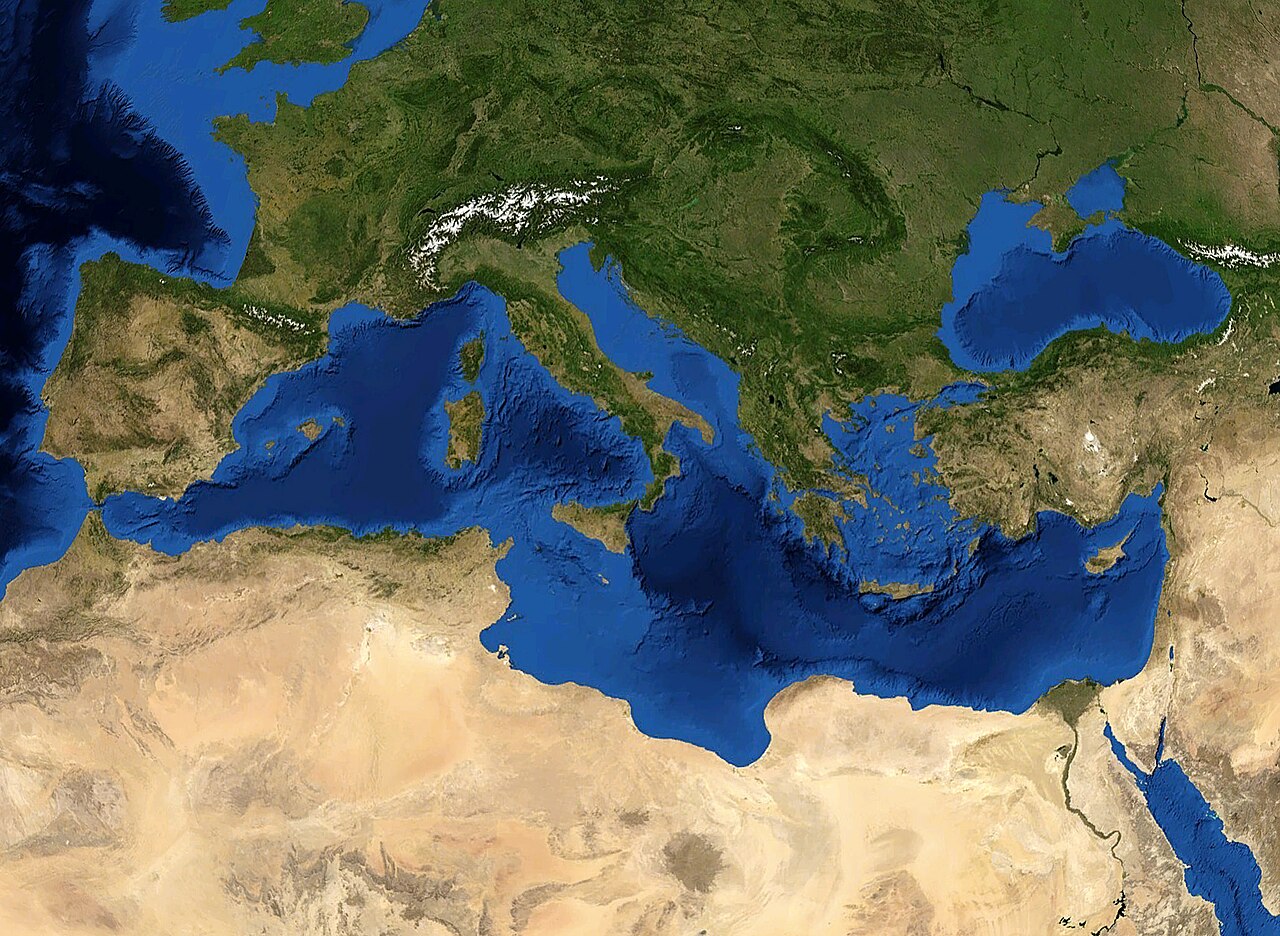
The Mediterranean Sea is an intercontinental sea situated between Europe, Asia, and Africa, making it a unique crossroads of history and culture. It is surrounded by the Mediterranean basin and almost completely enclosed by land, with the Levant in West Asia to the east, Anatolia in West Asia and Southern Europe to the north, and North Africa to the south. The Mediterranean Sea is connected to the Atlantic Ocean via the Strait of Gibraltar, which separates the Iberian Peninsula in Europe from Morocco in Africa. This strategic location has made the Mediterranean a hub for maritime trade and cultural exchange throughout history, with influences from Ancient Greece and Ancient Rome still visible today.
🌍 Geographical Overview of the Mediterranean
The geographical overview of the Mediterranean Sea is characterized by its almost complete enclosure by land, with a total area of approximately 2.5 million square kilometers. The Mediterranean is connected to the Black Sea through the Bosporus strait that intersects Turkey in the northeast and the Red Sea via the Suez Canal in the southeast. This unique geography has played a significant role in shaping the region's history, culture, and economy, with the Mediterranean basin being a key factor in the development of agriculture and urbanization in the region. The Mediterranean's coastline is also home to a diverse range of ecosystems, including coral reefs and marine biodiversity.
🏞️ The Mediterranean Basin and Its Significance
The Mediterranean basin is a region of significant cultural and historical importance, with a rich heritage of archaeology and anthropology. The basin is home to a diverse range of landscapes, including mountains, valleys, and coastlines, each with its own unique characteristics and features. The Mediterranean basin has been shaped by a combination of tectonic plate movement, climate change, and human activity, resulting in a complex and dynamic environment that has supported a wide range of human settlements and civilizations throughout history, including the Egyptian civilization and the Mesopotamian civilization.
🌟 Historical Significance of the Mediterranean Sea
The Mediterranean Sea has played a significant role in shaping the course of human history, with its strategic location making it a hub for maritime trade and cultural exchange. The Mediterranean has been the site of numerous naval battles and wars throughout history, including the Peloponnesian War and the Punic Wars. The Mediterranean has also been an important center for the development of philosophy, science, and art, with influential figures such as Socrates, Plato, and Aristotle contributing to the region's rich cultural heritage. The Mediterranean's cultural significance extends beyond its historical importance, with the region continuing to inspire literature and art today, including the works of Homer and Virgil.
🚣♀️ Maritime Trade and Cultural Exchange
Maritime trade and cultural exchange have been essential components of the Mediterranean's history and culture, with the region's strategic location making it a hub for the exchange of goods, ideas, and cultures. The Mediterranean has been an important center for the development of shipbuilding and navigation, with the Phoenicians and the Greeks being among the earliest and most influential maritime powers in the region. The Mediterranean has also been an important center for the development of commerce and finance, with the Byzantine Empire and the Ottoman Empire playing significant roles in the region's economic history. The Mediterranean's cultural diversity is reflected in its cuisine, with popular dishes such as Greek salad and Italian pasta being enjoyed around the world.
🌈 Cultural Diversity Around the Mediterranean
The Mediterranean region is characterized by a rich cultural diversity, with a wide range of languages, religions, and traditions being represented. The Mediterranean has been home to a diverse range of civilizations throughout history, including the Egyptian civilization, the Greeks, and the Romans. The Mediterranean has also been an important center for the development of Islam, with the Islamic Golden Age being a period of significant cultural and scientific achievement in the region. The Mediterranean's cultural diversity is reflected in its music, with popular genres such as flamenco and rebetiko being enjoyed around the world.
🏛️ Ancient Civilizations and Their Legacy
The Mediterranean region has been home to a diverse range of ancient civilizations throughout history, each leaving its own unique legacy in the region. The Egyptian civilization is one of the most well-known and influential civilizations in the Mediterranean, with its pyramids and mummies being iconic symbols of the region's rich cultural heritage. The Greeks and the Romans also made significant contributions to the region's cultural and scientific development, with their philosophy, theater, and architecture continuing to inspire and influence people around the world. The Mediterranean's ancient civilizations have left a lasting legacy in the region, with their art, literature, and science continuing to be studied and appreciated today.
🌊 The Mediterranean's Connection to Other Seas
The Mediterranean Sea is connected to other seas and oceans through a network of straits and canals, including the Strait of Gibraltar and the Suez Canal. The Mediterranean is also connected to the Black Sea through the Bosporus strait, which intersects Turkey in the northeast. The Mediterranean's connections to other seas and oceans have played a significant role in shaping the region's history, culture, and economy, with the maritime trade and cultural exchange being essential components of the region's identity. The Mediterranean's connections to other seas and oceans have also made it an important center for the development of navigation and shipbuilding, with the Phoenicians and the Greeks being among the earliest and most influential maritime powers in the region.
🌴 Climate and Environmental Concerns
The Mediterranean region is characterized by a unique and diverse climate, with a wide range of ecosystems being represented. The Mediterranean has a Mediterranean climate, with warm, dry summers and mild, wet winters being typical of the region. The Mediterranean is also home to a diverse range of wildlife, including marine biodiversity and terrestrial biodiversity. The Mediterranean's climate and ecosystems are facing significant challenges, including climate change, pollution, and overfishing, which are threatening the region's rich cultural and natural heritage. The Mediterranean's climate and ecosystems are also being impacted by human activity, including agriculture, urbanization, and tourism.
📚 The Mediterranean in Literature and Art
The Mediterranean region has been a source of inspiration for literature and art throughout history, with the region's unique cultural and natural heritage being reflected in the works of Homer, Virgil, and other famous authors. The Mediterranean has also been an important center for the development of music and dance, with popular genres such as flamenco and rebetiko being enjoyed around the world. The Mediterranean's cultural significance extends beyond its historical importance, with the region continuing to inspire literature and art today, including the works of Gabriel Garcia Marquez and Salman Rushdie. The Mediterranean's cultural diversity is reflected in its cuisine, with popular dishes such as Greek salad and Italian pasta being enjoyed around the world.
👥 People and Communities of the Mediterranean
The Mediterranean region is home to a diverse range of people and communities, each with their own unique cultural and historical heritage. The Mediterranean has been a crossroads of migration and cultural exchange throughout history, with the region being home to a wide range of languages, religions, and traditions. The Mediterranean's cultural diversity is reflected in its music, with popular genres such as flamenco and rebetiko being enjoyed around the world. The Mediterranean's cultural diversity is also reflected in its cuisine, with popular dishes such as Greek salad and Italian pasta being enjoyed around the world.
🕊️ Future Prospects and Challenges for the Region
The Mediterranean region is facing significant challenges and opportunities in the future, including climate change, pollution, and overfishing. The Mediterranean's cultural and natural heritage are also being impacted by human activity, including agriculture, urbanization, and tourism. The Mediterranean's future prospects and challenges will depend on the region's ability to balance its economic, social, and environmental needs, while also preserving its rich cultural and natural heritage. The Mediterranean's future will also depend on the region's ability to adapt to globalization and technological change, while also preserving its unique cultural and historical identity.
Key Facts
- Year
- Ancient Origins, Ongoing Influence
- Origin
- Africa, Asia, Europe
- Category
- Geography, History, Culture
- Type
- Geographic Feature
Frequently Asked Questions
What is the Mediterranean Sea?
The Mediterranean Sea is an intercontinental sea situated between Europe, Asia, and Africa. It is surrounded by the Mediterranean basin and almost completely enclosed by land, with the Levant in West Asia to the east, Anatolia in West Asia and Southern Europe to the north, and North Africa to the south. The Mediterranean Sea is connected to the Atlantic Ocean via the Strait of Gibraltar, which separates the Iberian Peninsula in Europe from Morocco in Africa.
What is the significance of the Mediterranean Sea?
The Mediterranean Sea has played a significant role in shaping the course of human history, with its strategic location making it a hub for maritime trade and cultural exchange. The Mediterranean has been an important center for the development of philosophy, science, and art, with influential figures such as Socrates, Plato, and Aristotle contributing to the region's rich cultural heritage.
What are the main challenges facing the Mediterranean region?
The Mediterranean region is facing significant challenges, including climate change, pollution, and overfishing. The Mediterranean's cultural and natural heritage are also being impacted by human activity, including agriculture, urbanization, and tourism.
What is the cultural diversity of the Mediterranean region?
The Mediterranean region is characterized by a rich cultural diversity, with a wide range of languages, religions, and traditions being represented. The Mediterranean has been home to a diverse range of civilizations throughout history, including the Egyptian civilization, the Greeks, and the Romans.
What is the future of the Mediterranean region?
The Mediterranean region is facing significant challenges and opportunities in the future, including climate change, pollution, and overfishing. The Mediterranean's cultural and natural heritage are also being impacted by human activity, including agriculture, urbanization, and tourism. The Mediterranean's future prospects and challenges will depend on the region's ability to balance its economic, social, and environmental needs, while also preserving its rich cultural and natural heritage.