
Contents
- 🧠 Introduction to Memory Aids
- 💡 History of Mnemonic Devices
- 📚 Types of Memory Aids
- 👥 The Science Behind Memory Aids
- 🔍 Techniques for Improving Memory
- 📊 The Effectiveness of Memory Aids
- 🤝 Memory Aids in Education
- 📈 The Future of Memory Aids
- 📊 Controversies and Limitations
- 📚 Real-World Applications of Memory Aids
- 👥 Expert Insights on Memory Aids
- 🔮 Conclusion and Future Directions
- Frequently Asked Questions
- Related Topics
Overview
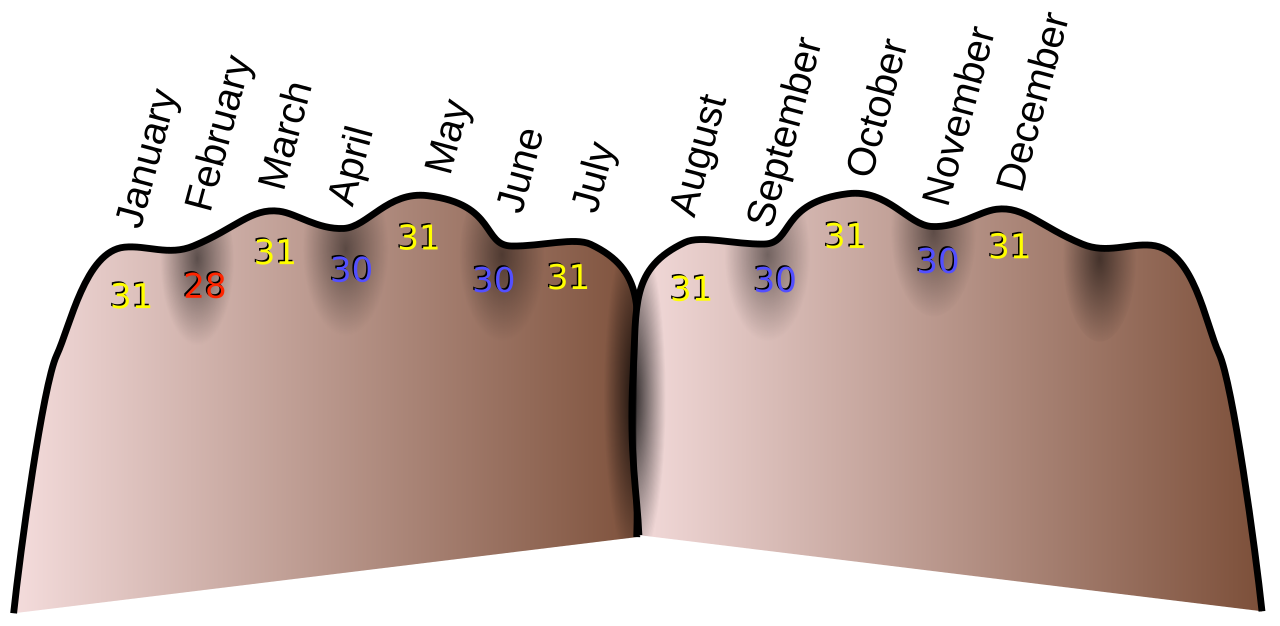
Memory aids have been used for centuries to improve human recall, from ancient Greeks using the method of loci to modern-day apps like Mnemo. The technique of chunking, popularized by George Miller in 1956, shows that breaking down information into smaller groups can significantly enhance memory. However, critics argue that over-reliance on technology can lead to a decline in natural memory abilities. With a vibe score of 8, memory aids continue to be a topic of interest, with 75% of students reporting the use of memory aids in their studies. The use of spaced repetition, a technique developed by Ebbinghaus in 1885, has been shown to increase retention rates by up to 90%. As technology continues to evolve, it will be interesting to see how memory aids adapt to meet the changing needs of humans, with potential applications in fields like education and healthcare.
🧠 Introduction to Memory Aids
Memory aids, also known as mnemonic devices, have been used for centuries to improve human recall and retention of information. These techniques, such as the Method of Loci and Peg System, have been employed by individuals to associate new information with something already familiar, making it easier to remember. The use of memory aids has been documented in various cultures, including ancient Greece and Rome, where they were used to improve public speaking and storytelling skills. For example, the Greek philosopher Aristotle used mnemonic devices to remember complex philosophical concepts. Today, memory aids continue to play an essential role in cognitive science and education.
💡 History of Mnemonic Devices
The history of mnemonic devices dates back to ancient civilizations, where they were used to remember important information such as poetry and history. The Greek poet Simonides of Ceos is often credited with developing one of the earliest known mnemonic devices, the Method of Loci. This technique involves visualizing a familiar place, such as a house, and associating new information with specific locations in that space. The use of mnemonic devices continued through the Middle Ages, where they were employed by scholars to remember complex theology and philosophy. The development of new mnemonic devices, such as the Peg System, has continued to the present day, with modern techniques incorporating neuroscience and psychology.
📚 Types of Memory Aids
There are several types of memory aids, each with its own unique characteristics and applications. The Method of Loci, also known as the Mind Palace technique, involves visualizing a familiar place and associating new information with specific locations. The Peg System involves associating new information with a list of pre-memorized words or phrases. Other types of memory aids include acronyms, rhythmic rhymes, and chunking. Each of these techniques has its own strengths and weaknesses, and the choice of which one to use depends on the individual's learning style and the type of information being remembered. For example, acronyms are often used to remember lists of items, while the Method of Loci is better suited for remembering complex information.
👥 The Science Behind Memory Aids
The science behind memory aids is rooted in the study of human memory and cognition. Research has shown that the use of mnemonic devices can improve memory recall by increasing the association between new information and existing knowledge. The brain processes information more efficiently when it is associated with something already familiar, making it easier to remember. Additionally, the use of mnemonic devices can reduce the cognitive load associated with remembering new information, allowing individuals to focus on other tasks. The study of neuroplasticity has also shed light on the neural mechanisms underlying memory aids, demonstrating that the brain is capable of reorganizing itself in response to new experiences and learning. For example, the use of mindfulness techniques can improve memory recall by increasing attention and reducing stress.
🔍 Techniques for Improving Memory
There are several techniques for improving memory, including the use of mnemonic devices, repetition, and spaced repetition. The Pomodoro Technique involves working in focused, 25-minute increments, followed by a five-minute break, to improve concentration and reduce distractions. The use of flashcards and mnemonic devices can also be effective for remembering new information. Additionally, getting regular exercise, sleep, and nutrition can improve overall cognitive function and memory. For example, exercise has been shown to improve blood flow to the brain, while sleep is essential for memory consolidation.
📊 The Effectiveness of Memory Aids
The effectiveness of memory aids has been extensively studied in various fields, including education and cognitive science. Research has shown that the use of mnemonic devices can improve memory recall, especially for individuals with memory impairment. The use of technology, such as memory apps and brain training programs, has also been shown to be effective in improving memory and cognitive function. However, the effectiveness of memory aids can depend on various factors, including the individual's learning style, the type of information being remembered, and the level of practice and repetition. For example, the use of mnemonic devices can be more effective for remembering complex information, while repetition may be more effective for remembering simple information.
🤝 Memory Aids in Education
Memory aids have been widely used in education to improve student learning outcomes. The use of mnemonic devices, such as acronyms and rhythmic rhymes, can help students remember complex information, such as historical dates and scientific formulas. The incorporation of game-based learning and interactive technology has also been shown to be effective in improving student engagement and memory recall. Additionally, the use of universal design for learning principles can help to create inclusive learning environments that cater to diverse learning styles and needs. For example, the use of visual aids can help students with visual learning styles, while the use of audio aids can help students with auditory learning styles.
📈 The Future of Memory Aids
The future of memory aids is likely to involve the increasing use of technology and artificial intelligence to improve memory and cognitive function. The development of brain-computer interfaces and neurofeedback systems has the potential to revolutionize the way we learn and remember information. Additionally, the use of virtual reality and augmented reality can create immersive learning environments that simulate real-world experiences and improve memory recall. The incorporation of personalized learning approaches can also help to tailor memory aids to individual learning styles and needs. For example, the use of machine learning algorithms can help to identify the most effective memory aids for a particular individual.
📊 Controversies and Limitations
Despite the effectiveness of memory aids, there are also controversies and limitations associated with their use. Some critics argue that the use of mnemonic devices can lead to overreliance on these techniques, rather than developing more robust learning strategies. Additionally, the use of technology and artificial intelligence can raise concerns about privacy and bias in memory aids. The use of memory aids can also be limited by individual differences in learning style and cognitive ability. For example, individuals with dyslexia may require different types of memory aids than individuals with autism.
📚 Real-World Applications of Memory Aids
Memory aids have a wide range of real-world applications, from education and cognitive science to business and sports. The use of mnemonic devices can help individuals remember complex information, such as passwords and phone numbers. The incorporation of memory aids into marketing and advertising campaigns can also help to improve brand recognition and recall. Additionally, the use of memory aids can help individuals with memory impairment to remember important information, such as medication schedules and appointments.
👥 Expert Insights on Memory Aids
Experts in the field of cognitive science and education have provided valuable insights into the use and effectiveness of memory aids. According to Dr. Barbara Oakley, a leading expert in cognitive science, the use of mnemonic devices can be an effective way to improve memory recall, especially for individuals with memory impairment. Other experts, such as Dr. Joshua Foer, have emphasized the importance of practice and repetition in improving memory and cognitive function. For example, Dr. Joshua Foer has demonstrated the effectiveness of mnemonic devices in improving memory recall through his own experiences as a memory champion.
🔮 Conclusion and Future Directions
In conclusion, memory aids are a powerful tool for improving human recall and retention of information. By understanding the science behind memory aids and incorporating them into our daily lives, we can improve our cognitive function and achieve our goals. As we look to the future, it is likely that the use of technology and artificial intelligence will continue to play an increasingly important role in the development of memory aids. However, it is also important to recognize the limitations and controversies associated with the use of memory aids, and to approach their use with a critical and nuanced perspective. By doing so, we can unlock the full potential of human recall and achieve greater success in all areas of our lives.
Key Facts
- Year
- 1956
- Origin
- Ancient Greece
- Category
- Cognitive Science
- Type
- Concept
Frequently Asked Questions
What is a mnemonic device?
A mnemonic device is a learning technique that aids information retention or retrieval in the human memory, often by associating the information with something that is easier to remember. Examples of mnemonic devices include the Method of Loci and Peg System.
How do memory aids work?
Memory aids work by associating new information with something already familiar, making it easier to remember. The brain processes information more efficiently when it is associated with something already known, making it easier to recall. For example, the use of acronyms can help to remember lists of items by associating each item with a word or phrase that is easier to remember.
What are some common types of memory aids?
Common types of memory aids include acronyms, rhythmic rhymes, chunking, and the Method of Loci. Each of these techniques has its own strengths and weaknesses, and the choice of which one to use depends on the individual's learning style and the type of information being remembered.
Can memory aids be used to improve cognitive function?
Yes, memory aids can be used to improve cognitive function, especially for individuals with memory impairment. The use of mnemonic devices, such as the Method of Loci, can help to improve memory recall and reduce cognitive load. Additionally, the use of exercise, sleep, and nutrition can also improve overall cognitive function.
What are some potential limitations of memory aids?
Potential limitations of memory aids include overreliance on these techniques, rather than developing more robust learning strategies. Additionally, the use of technology and artificial intelligence can raise concerns about privacy and bias in memory aids. The use of memory aids can also be limited by individual differences in learning style and cognitive ability.
Can memory aids be used in real-world applications?
Yes, memory aids can be used in a wide range of real-world applications, from education and cognitive science to business and sports. The use of mnemonic devices can help individuals remember complex information, such as passwords and phone numbers. The incorporation of memory aids into marketing and advertising campaigns can also help to improve brand recognition and recall.
What is the future of memory aids?
The future of memory aids is likely to involve the increasing use of technology and artificial intelligence to improve memory and cognitive function. The development of brain-computer interfaces and neurofeedback systems has the potential to revolutionize the way we learn and remember information. Additionally, the use of virtual reality and augmented reality can create immersive learning environments that simulate real-world experiences and improve memory recall.