
Contents
- 🌳 Introduction to Sculpture Gardens
- 🏞️ History of Sculpture Gardens
- 🌴 Types of Sculpture Gardens
- 👥 Artists and Sculpture Gardens
- 🏛️ Architecture and Landscape Design
- 🌈 Materials and Techniques
- 📸 Photography and Sculpture Gardens
- 🤝 Community Engagement and Education
- 🌎 International Sculpture Gardens
- 📊 Economic Impact of Sculpture Gardens
- 👀 Controversies and Challenges
- Frequently Asked Questions
- Related Topics
Overview
Sculpture gardens have been a cornerstone of artistic expression since the early 20th century, with pioneers like Isamu Noguchi and Henry Moore pushing the boundaries of this unique medium. Today, sculpture gardens can be found worldwide, from the iconic Storm King Art Center in New York to the breathtaking Hakone Open-Air Museum in Japan. With a vibe score of 8, sculpture gardens continue to inspire and provoke, sparking debates about the role of art in public spaces and the intersection of nature and culture. As the art world becomes increasingly focused on experiential and immersive experiences, sculpture gardens are poised to play a major role in shaping the future of art and design. With over 100 sculpture gardens worldwide, this phenomenon shows no signs of slowing down, with new gardens and exhibitions opening every year. The influence of sculpture gardens can be seen in the work of contemporary artists like Anish Kapoor and Rachel Whiteread, who continue to push the boundaries of this medium.
🌳 Introduction to Sculpture Gardens
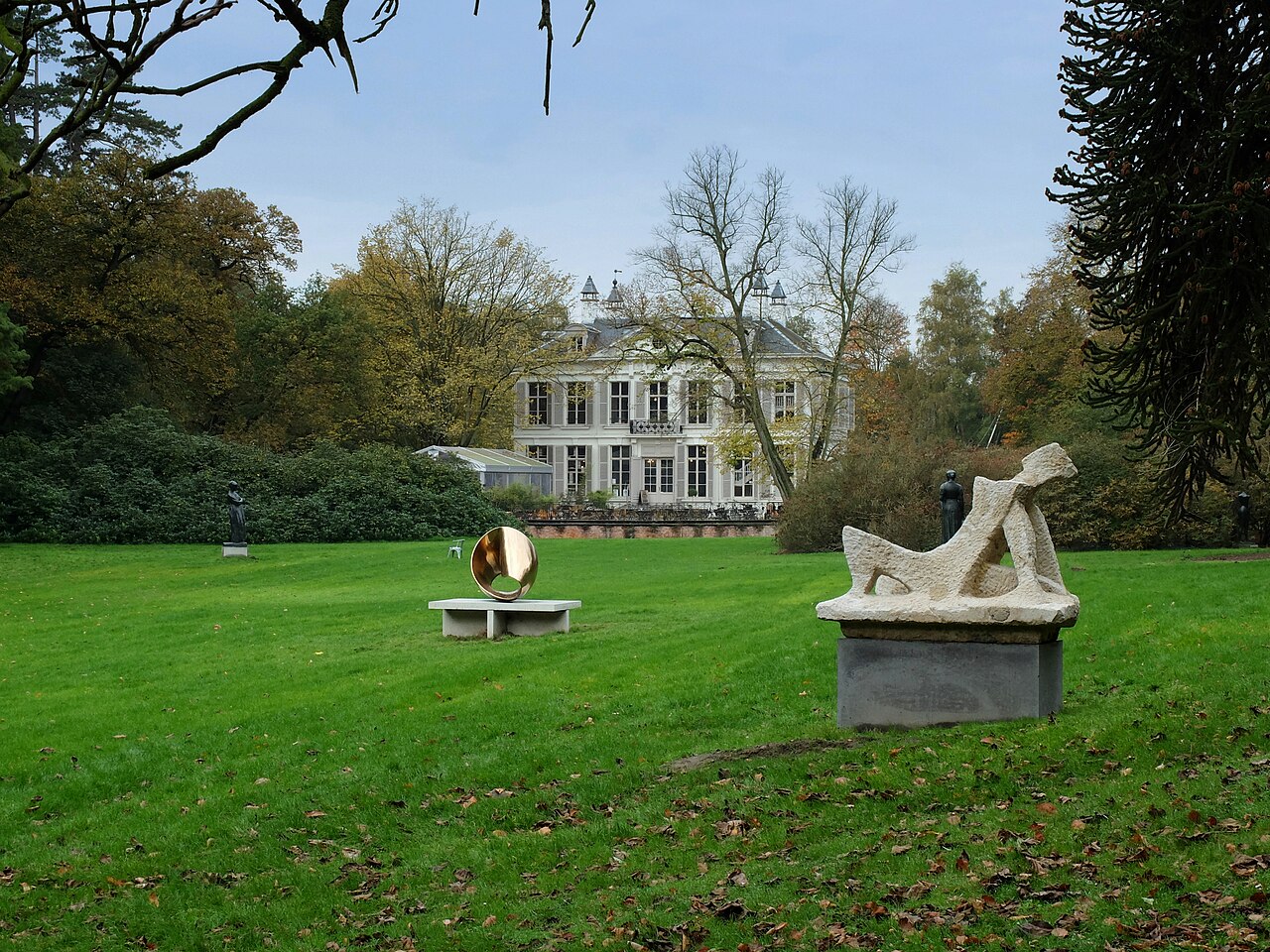
Sculpture gardens are a unique blend of art and nature, where sculptures are displayed in a beautiful outdoor setting. These gardens can be found all over the world and offer a peaceful retreat from the hustle and bustle of city life. The concept of sculpture gardens dates back to ancient civilizations, where gardens were used as a space for relaxation and contemplation. Today, sculpture gardens are a popular destination for art lovers and nature enthusiasts alike, with many featuring works by renowned artists such as Henry Moore and Barbara Hepworth. As you stroll through a sculpture garden, you can admire the intricate details of each piece, while also taking in the beauty of the surrounding landscape. For example, the Kröller-Müller Museum in the Netherlands features an extensive sculpture garden with over 160 modern and contemporary sculptures.
🏞️ History of Sculpture Gardens
The history of sculpture gardens is a long and varied one, with examples of outdoor sculpture displays dating back to ancient Greece and Rome. In these early civilizations, sculptures were often used to decorate public spaces and gardens, and were seen as a way to showcase wealth and power. During the Renaissance, sculpture gardens became a popular feature of European estates, with many aristocrats and nobles commissioning sculptors to create elaborate displays for their gardens. The tradition of sculpture gardens continued through the centuries, with the modern concept of sculpture gardens emerging in the mid-20th century, with the establishment of institutions such as the Hirshhorn Museum and Sculpture Garden in Washington D.C. This museum features a unique collection of modern and contemporary art, with a focus on sculpture and installation art.
🌴 Types of Sculpture Gardens
There are many different types of sculpture gardens, ranging from small, intimate spaces to large, sprawling parks. Some sculpture gardens are dedicated to a specific type of sculpture, such as modern art or contemporary art, while others feature a wide range of styles and periods. Some popular types of sculpture gardens include botanical gardens, arboretums, and nature reserves, which often feature sculptures that are designed to blend in with the surrounding landscape. For example, the Desert Botanical Garden in Arizona features a beautiful collection of sculptures amidst its stunning botanical gardens. Other sculpture gardens, such as the Storm King Art Center in New York, feature large-scale sculptures that are designed to interact with the surrounding landscape.
👥 Artists and Sculpture Gardens
Many famous artists have created sculptures for gardens, including Auguste Rodin, Constantin Brancusi, and Isamu Noguchi. These artists have helped to shape the concept of sculpture gardens, and their works continue to inspire and influence contemporary artists. For example, the Rodin Museum in Paris features an extensive collection of Rodin's sculptures, including many that are displayed in a beautiful garden setting. Other artists, such as Anish Kapoor and Richard Serra, have created large-scale sculptures that are designed to interact with the surrounding landscape, and are often featured in sculpture gardens around the world. The Tate Modern in London, for example, features a collection of Kapoor's sculptures, including his famous Descent into Limbo.
🏛️ Architecture and Landscape Design
The architecture and landscape design of sculpture gardens play a crucial role in creating a unique and immersive experience for visitors. Many sculpture gardens feature beautifully designed buildings and gardens, which are designed to complement the sculptures on display. For example, the Getty Center in Los Angeles features a stunning collection of modern and contemporary art, including a beautiful sculpture garden with a stunning view of the city. The Guggenheim Museum in Bilbao, Spain, is another example of a museum that features a unique and innovative design, with a beautiful sculpture garden that features works by artists such as Jeff Koons and Francis Bacon. The design of these gardens often involves a collaboration between architects, landscape architects, and sculptors, to create a cohesive and engaging experience for visitors.
🌈 Materials and Techniques
The materials and techniques used in sculpture gardens are incredibly varied, ranging from traditional materials such as bronze and stone, to more modern materials such as steel and glass. Many sculptors also experiment with found materials, such as wood and plastic, to create unique and innovative works. For example, the Louise Bourgeois sculpture garden at the Tate Modern in London features a collection of sculptures made from a variety of materials, including fabric and wood. The use of different materials and techniques allows sculptors to create a wide range of effects, from the subtle and nuanced to the bold and dramatic. The Centre Pompidou in Paris, for example, features a collection of sculptures that showcase the use of different materials and techniques, including works by artists such as Marcel Duchamp and Salvador Dali.
📸 Photography and Sculpture Gardens
Photography is a popular activity in sculpture gardens, with many visitors capturing images of the beautiful sculptures and gardens. However, photography can also be used as a tool for artistic expression, with many photographers using sculpture gardens as a backdrop for their work. For example, the photographer Cindy Sherman has used sculpture gardens as a setting for many of her photographs, often incorporating the sculptures into her work. The Museum of Modern Art in New York, for example, features a collection of Sherman's photographs, including many that were taken in sculpture gardens. Other photographers, such as Ansel Adams, have used sculpture gardens as a subject in their own right, capturing the beauty and tranquility of these unique spaces.
🤝 Community Engagement and Education
Sculpture gardens often offer a range of community engagement and education programs, designed to promote a greater understanding and appreciation of art and nature. These programs can include guided tours, workshops, and lectures, and are often designed to be interactive and engaging. For example, the High Museum of Art in Atlanta offers a range of programs for adults and children, including sculpture garden tours and art-making workshops. The Walker Art Center in Minneapolis is another example of a museum that offers a range of community engagement and education programs, including programs that focus on sculpture and installation art. These programs can help to foster a sense of community and connection among visitors, and can provide a unique and memorable experience.
🌎 International Sculpture Gardens
There are many international sculpture gardens, each with its own unique character and charm. Some popular destinations include the Villa Borghese in Rome, the Jardin du Luxembourg in Paris, and the Kew Gardens in London. These gardens often feature a wide range of sculptures, from classical to contemporary, and offer a peaceful and relaxing atmosphere. For example, the National Gallery of Art in Washington D.C. features a beautiful sculpture garden with a stunning collection of modern and contemporary art. The Museum of Fine Arts in Boston is another example of a museum that features a beautiful sculpture garden, with a collection of sculptures that spans centuries and styles.
📊 Economic Impact of Sculpture Gardens
The economic impact of sculpture gardens can be significant, with many gardens attracting thousands of visitors each year. These visitors can bring in revenue for local businesses, such as hotels, restaurants, and shops, and can help to stimulate the local economy. For example, the gardens at the Chatsworth House in England attract over 700,000 visitors each year, making it one of the most popular tourist destinations in the country. The Biltmore Estate in North Carolina is another example of a sculpture garden that has a significant economic impact, with over 1 million visitors each year. The economic benefits of sculpture gardens can also extend to the local community, with many gardens providing jobs and stimulating local economic growth.
👀 Controversies and Challenges
Despite their many benefits, sculpture gardens can also be the subject of controversy and challenge. Some of the issues that can arise include the cost of maintaining the gardens, the impact of tourism on the local environment, and the question of who should have access to the gardens. For example, the Storm King Art Center in New York has faced controversy over its decision to charge an admission fee, with some arguing that this limits access to the gardens for low-income visitors. The Hirshhorn Museum and Sculpture Garden in Washington D.C. has also faced controversy over its decision to feature a sculpture by the artist Richard Serra, with some arguing that the sculpture is too large and dominating. These controversies highlight the need for careful planning and management of sculpture gardens, to ensure that they are accessible and enjoyable for all visitors.
Key Facts
- Year
- 1900
- Origin
- Europe and North America
- Category
- Art and Architecture
- Type
- Cultural Institution
Frequently Asked Questions
What is a sculpture garden?
A sculpture garden is an outdoor garden or park that features a collection of sculptures, often in a beautifully landscaped setting. These gardens can be found all over the world and offer a unique and peaceful retreat from the hustle and bustle of city life. Sculpture gardens often feature a wide range of sculptures, from classical to contemporary, and can include works by famous artists such as Henry Moore and Barbara Hepworth.
What types of sculptures can be found in sculpture gardens?
Sculpture gardens can feature a wide range of sculptures, from traditional materials such as bronze and stone, to more modern materials such as steel and glass. Many sculptors also experiment with found materials, such as wood and plastic, to create unique and innovative works. Some sculpture gardens may also feature installation art, which can include a wide range of media and materials.
How are sculpture gardens maintained?
Sculpture gardens require regular maintenance to ensure that the sculptures and gardens remain in good condition. This can include tasks such as cleaning and conserving the sculptures, pruning and maintaining the gardens, and ensuring that the gardens are safe and accessible for visitors. Many sculpture gardens also have a team of staff and volunteers who work to maintain the gardens and provide information and guidance to visitors. The Getty Conservation Institute is an example of an organization that provides guidance and support for the conservation and maintenance of sculpture gardens.
Can I visit a sculpture garden?
Yes, many sculpture gardens are open to the public and offer a unique and peaceful retreat from the hustle and bustle of city life. Some sculpture gardens may charge an admission fee, while others may be free to visit. It's always a good idea to check the garden's website or contact them directly to confirm their hours and admission policies. The High Museum of Art in Atlanta, for example, offers free admission to its sculpture garden on certain days of the week.
How can I create my own sculpture garden?
Creating a sculpture garden can be a fun and rewarding project, but it requires careful planning and consideration. You'll need to choose a location for your garden, select the sculptures and plants you want to feature, and design a layout that showcases your sculptures in a beautiful and cohesive way. You may also want to consider factors such as maintenance and upkeep, as well as any local regulations or zoning restrictions that may apply. The New York Botanical Garden offers a range of resources and guidance for creating a sculpture garden, including workshops and classes.
What are some famous sculpture gardens?
There are many famous sculpture gardens around the world, each with its own unique character and charm. Some popular destinations include the Villa Borghese in Rome, the Jardin du Luxembourg in Paris, and the Kew Gardens in London. The gardens at the Chatsworth House in England are also a popular destination, with a stunning collection of sculptures and beautiful gardens. The Biltmore Estate in North Carolina is another example of a famous sculpture garden, with a collection of sculptures and gardens that span centuries and styles.
Can I take pictures in a sculpture garden?
Yes, many sculpture gardens allow visitors to take pictures, but it's always a good idea to check with the garden's staff or website to confirm their photography policy. Some gardens may have restrictions on flash photography, tripods, or commercial photography, so it's best to check ahead of time to avoid any issues. The Museum of Modern Art in New York, for example, allows non-flash photography for personal use, but prohibits commercial photography without permission.