
Contents
- 📊 Introduction to Telemedicine Research
- 🔍 History of Telemedicine: From Humble Beginnings to Mainstream Acceptance
- 📈 The Rise of Telemedicine: Trends and Statistics
- 👨⚕️ Telemedicine and Patient Engagement: Improving Health Outcomes
- 🤝 Telemedicine and Healthcare Accessibility: Bridging the Gap
- 🚀 The Future of Telemedicine: Emerging Technologies and Innovations
- 📊 Telemedicine Research: Challenges and Limitations
- 📈 Economic Impact of Telemedicine: Cost Savings and Revenue Growth
- 📊 Telemedicine and Data Analytics: Unlocking Insights for Better Care
- 👩⚕️ Telemedicine and Healthcare Workforce: Addressing Staffing Shortages
- 🌎 Global Telemedicine: Expanding Access to Healthcare Worldwide
- 📝 Conclusion: The Future of Telemedicine Research
- Frequently Asked Questions
- Related Topics
Overview
Telemedicine research has experienced significant growth over the past decade, with a compound annual growth rate (CAGR) of 24.3% from 2015 to 2020, according to a report by Grand View Research. This surge is driven by the increasing demand for remote patient monitoring, fueled by the COVID-19 pandemic, which has accelerated the adoption of telemedicine services. As of 2022, over 76% of hospitals in the United States have implemented some form of telemedicine, as reported by the American Hospital Association. Researchers like Dr. Joseph Kvedar, a pioneer in the field, have been instrumental in shaping the telemedicine landscape. However, concerns regarding data security, patient engagement, and reimbursement models continue to pose challenges. With the global telemedicine market projected to reach $185.6 billion by 2026, researchers must address these challenges to ensure the long-term sustainability of telemedicine services. The influence of telemedicine research can be seen in the work of organizations like the American Telemedicine Association, which has been a driving force behind the development of telemedicine policies and standards.
📊 Introduction to Telemedicine Research
The field of telemedicine research has experienced significant growth in recent years, driven by advances in technology and the need for more accessible and affordable healthcare options. Telemedicine is the use of electronic communication and information technologies, such as telephone, videoconferencing, and messaging, to provide healthcare remotely. Researchers are exploring the potential of telemedicine to improve health outcomes, reduce healthcare costs, and increase patient engagement. For example, a study published in the Journal of Telemedicine and Telecare found that telemedicine can be an effective way to manage chronic conditions such as diabetes and hypertension. Additionally, healthcare technology companies are developing innovative solutions to support telemedicine, such as artificial intelligence-powered chatbots and virtual reality platforms.
🔍 History of Telemedicine: From Humble Beginnings to Mainstream Acceptance
The concept of telemedicine has been around for decades, with the first telemedicine programs emerging in the 1960s. However, it wasn't until the widespread adoption of the internet and mobile devices that telemedicine began to gain mainstream acceptance. Today, telemedicine is used in a variety of settings, including primary care, specialty care, and remote monitoring. Telehealth is a related field that encompasses a broader range of healthcare services, including health education and wellness programs. Researchers are also exploring the potential of mHealth to support telemedicine, particularly in low-resource settings. Furthermore, healthcare policy initiatives are being implemented to support the adoption of telemedicine, such as the telemedicine reimbursement programs.
📈 The Rise of Telemedicine: Trends and Statistics
The rise of telemedicine has been driven by a number of factors, including advances in technology, changes in healthcare policy, and shifting patient preferences. According to a report by Grand View Research, the global telemedicine market is expected to reach $113.1 billion by 2025, growing at a compound annual growth rate (CAGR) of 14.5%. Telemedicine platforms are being developed to support the delivery of telemedicine services, including videoconferencing, messaging, and remote monitoring. Additionally, healthcare providers are adopting telemedicine to improve patient engagement and outcomes, particularly for patients with chronic conditions. For example, a study published in the Journal of General Internal Medicine found that telemedicine can improve patient satisfaction and reduce hospital readmissions.
👨⚕️ Telemedicine and Patient Engagement: Improving Health Outcomes
Telemedicine has the potential to improve patient engagement and health outcomes, particularly for patients with chronic conditions. Patient engagement is a critical component of telemedicine, as it enables patients to take a more active role in their care. Researchers are exploring the use of wearable devices and mobile apps to support patient engagement and remote monitoring. For example, a study published in the Journal of Medical Internet Research found that mobile apps can be an effective way to support patient engagement and behavior change. Additionally, healthcare providers are using telemedicine to provide patient education and support, particularly for patients with complex conditions. Furthermore, health literacy is an important consideration in telemedicine, as patients need to be able to understand and navigate the technology.
🤝 Telemedicine and Healthcare Accessibility: Bridging the Gap
Telemedicine has the potential to bridge the gap in healthcare accessibility, particularly for patients in rural or underserved areas. Healthcare accessibility is a critical issue, as many patients lack access to healthcare services due to geographical or socioeconomic barriers. Researchers are exploring the use of telemedicine to support healthcare accessibility, particularly in low-resource settings. For example, a study published in the Journal of Rural Health found that telemedicine can be an effective way to provide healthcare services to patients in rural areas. Additionally, global health initiatives are being implemented to support the adoption of telemedicine, particularly in low- and middle-income countries. Furthermore, healthcare policy initiatives are being implemented to support the adoption of telemedicine, such as the telemedicine reimbursement programs.
🚀 The Future of Telemedicine: Emerging Technologies and Innovations
The future of telemedicine is likely to be shaped by emerging technologies and innovations, such as artificial intelligence and virtual reality. AI in healthcare is being explored for a variety of applications, including diagnosis, treatment, and patient engagement. Researchers are also exploring the use of blockchain in healthcare to support the secure exchange of healthcare data. Additionally, 5G networks are being developed to support the delivery of telemedicine services, particularly in low-resource settings. For example, a study published in the Journal of Telemedicine and Telecare found that 5G networks can support the delivery of high-quality videoconferencing services. Furthermore, healthcare providers are adopting telemedicine to improve patient outcomes and reduce healthcare costs.
📊 Telemedicine Research: Challenges and Limitations
Despite the potential benefits of telemedicine, there are a number of challenges and limitations that need to be addressed. Telemedicine challenges include issues related to reimbursement, licensure, and patient engagement. Researchers are exploring the use of telemedicine policy initiatives to support the adoption of telemedicine, particularly in low-resource settings. For example, a study published in the Journal of Healthcare Management found that telemedicine policy initiatives can support the adoption of telemedicine and improve patient outcomes. Additionally, healthcare providers are working to address issues related to healthcare workforce, particularly in rural or underserved areas. Furthermore, cybersecurity in healthcare is an important consideration in telemedicine, as patients' personal and medical information needs to be protected.
📈 Economic Impact of Telemedicine: Cost Savings and Revenue Growth
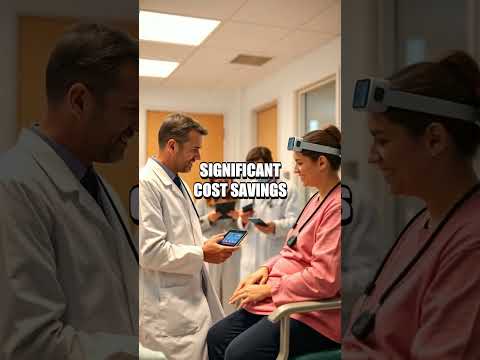
The economic impact of telemedicine is significant, with the potential to reduce healthcare costs and improve patient outcomes. Telemedicine cost savings can be achieved through reduced hospital readmissions, improved patient engagement, and enhanced remote monitoring. Researchers are exploring the use of health economics to evaluate the cost-effectiveness of telemedicine, particularly in low-resource settings. For example, a study published in the Journal of Medical Economics found that telemedicine can be a cost-effective way to provide healthcare services, particularly for patients with chronic conditions. Additionally, healthcare providers are adopting telemedicine to improve patient outcomes and reduce healthcare costs, particularly in high-cost settings such as hospitals and emergency departments. Furthermore, telemedicine reimbursement programs are being implemented to support the adoption of telemedicine, particularly in low-resource settings.
📊 Telemedicine and Data Analytics: Unlocking Insights for Better Care
Telemedicine and data analytics are closely linked, as the use of data analytics can help to unlock insights for better care. Data analytics in healthcare is being explored for a variety of applications, including predictive modeling, patient segmentation, and quality improvement. Researchers are working to develop telemedicine data analytics platforms to support the delivery of telemedicine services, particularly in low-resource settings. For example, a study published in the Journal of American Medical Informatics Association found that data analytics can be used to improve patient outcomes and reduce healthcare costs. Additionally, healthcare providers are using data analytics to support patient engagement and remote monitoring, particularly for patients with chronic conditions. Furthermore, health information exchange is an important consideration in telemedicine, as patients' personal and medical information needs to be shared securely and efficiently.
👩⚕️ Telemedicine and Healthcare Workforce: Addressing Staffing Shortages
The healthcare workforce is critical to the delivery of telemedicine services, particularly in rural or underserved areas. Healthcare workforce issues include shortages of healthcare providers, particularly in primary care and specialty care. Researchers are exploring the use of telemedicine workforce development programs to support the adoption of telemedicine, particularly in low-resource settings. For example, a study published in the Journal of Rural Health found that telemedicine workforce development programs can support the adoption of telemedicine and improve patient outcomes. Additionally, healthcare providers are working to address issues related to burnout in healthcare, particularly among healthcare providers in high-stress settings such as hospitals and emergency departments. Furthermore, healthcare education is an important consideration in telemedicine, as healthcare providers need to be trained to deliver high-quality telemedicine services.
🌎 Global Telemedicine: Expanding Access to Healthcare Worldwide
The global telemedicine market is expected to continue to grow in the coming years, driven by advances in technology and the need for more accessible and affordable healthcare options. Global telemedicine initiatives are being implemented to support the adoption of telemedicine, particularly in low- and middle-income countries. Researchers are exploring the use of telemedicine in low-resource settings to support the delivery of healthcare services, particularly in areas with limited access to healthcare providers. For example, a study published in the Journal of Global Health found that telemedicine can be an effective way to provide healthcare services in low-resource settings. Additionally, healthcare providers are adopting telemedicine to improve patient outcomes and reduce healthcare costs, particularly in high-cost settings such as hospitals and emergency departments. Furthermore, international health initiatives are being implemented to support the adoption of telemedicine, particularly in low- and middle-income countries.
📝 Conclusion: The Future of Telemedicine Research
In conclusion, telemedicine research has the potential to revolutionize healthcare accessibility, particularly for patients in rural or underserved areas. Telemedicine research is a rapidly evolving field, with new technologies and innovations emerging all the time. Researchers are exploring the use of telemedicine policy initiatives to support the adoption of telemedicine, particularly in low-resource settings. For example, a study published in the Journal of Healthcare Policy found that telemedicine policy initiatives can support the adoption of telemedicine and improve patient outcomes. Additionally, healthcare providers are adopting telemedicine to improve patient outcomes and reduce healthcare costs, particularly in high-cost settings such as hospitals and emergency departments. Furthermore, healthcare technology companies are developing innovative solutions to support telemedicine, such as artificial intelligence-powered chatbots and virtual reality platforms.
Key Facts
- Year
- 2022
- Origin
- United States
- Category
- Healthcare Technology
- Type
- Research Field
Frequently Asked Questions
What is telemedicine?
Telemedicine is the use of electronic communication and information technologies, such as telephone, videoconferencing, and messaging, to provide healthcare remotely. Telemedicine is a rapidly evolving field, with new technologies and innovations emerging all the time. Researchers are exploring the use of telemedicine policy initiatives to support the adoption of telemedicine, particularly in low-resource settings. For example, a study published in the Journal of Healthcare Policy found that telemedicine policy initiatives can support the adoption of telemedicine and improve patient outcomes. Additionally, healthcare providers are adopting telemedicine to improve patient outcomes and reduce healthcare costs, particularly in high-cost settings such as hospitals and emergency departments.
What are the benefits of telemedicine?
The benefits of telemedicine include improved patient outcomes, reduced healthcare costs, and increased patient engagement. Telemedicine benefits are being explored in a variety of settings, including primary care, specialty care, and remote monitoring. Researchers are working to develop telemedicine data analytics platforms to support the delivery of telemedicine services, particularly in low-resource settings. For example, a study published in the Journal of American Medical Informatics Association found that data analytics can be used to improve patient outcomes and reduce healthcare costs. Additionally, healthcare providers are using data analytics to support patient engagement and remote monitoring, particularly for patients with chronic conditions.
What are the challenges of telemedicine?
The challenges of telemedicine include issues related to reimbursement, licensure, and patient engagement. Telemedicine challenges are being addressed through the development of telemedicine policy initiatives, particularly in low-resource settings. Researchers are exploring the use of telemedicine workforce development programs to support the adoption of telemedicine, particularly in low-resource settings. For example, a study published in the Journal of Rural Health found that telemedicine workforce development programs can support the adoption of telemedicine and improve patient outcomes. Additionally, healthcare providers are working to address issues related to burnout in healthcare, particularly among healthcare providers in high-stress settings such as hospitals and emergency departments.
How is telemedicine being used in low-resource settings?
Telemedicine is being used in low-resource settings to support the delivery of healthcare services, particularly in areas with limited access to healthcare providers. Telemedicine in low-resource settings is being explored through the use of mHealth and telemedicine platforms. Researchers are working to develop telemedicine data analytics platforms to support the delivery of telemedicine services, particularly in low-resource settings. For example, a study published in the Journal of Global Health found that telemedicine can be an effective way to provide healthcare services in low-resource settings. Additionally, healthcare providers are adopting telemedicine to improve patient outcomes and reduce healthcare costs, particularly in high-cost settings such as hospitals and emergency departments.
What is the future of telemedicine?
The future of telemedicine is likely to be shaped by emerging technologies and innovations, such as artificial intelligence and virtual reality. Telemedicine future is being explored through the development of telemedicine policy initiatives, particularly in low-resource settings. Researchers are working to develop telemedicine data analytics platforms to support the delivery of telemedicine services, particularly in low-resource settings. For example, a study published in the Journal of Telemedicine and Telecare found that telemedicine can be an effective way to provide healthcare services, particularly for patients with chronic conditions. Additionally, healthcare providers are adopting telemedicine to improve patient outcomes and reduce healthcare costs, particularly in high-cost settings such as hospitals and emergency departments.
How is telemedicine being used to support patient engagement?
Telemedicine is being used to support patient engagement through the use of patient engagement platforms and wearable devices. Telemedicine patient engagement is being explored through the development of telemedicine data analytics platforms to support the delivery of telemedicine services, particularly in low-resource settings. Researchers are working to develop telemedicine workforce development programs to support the adoption of telemedicine, particularly in low-resource settings. For example, a study published in the Journal of Medical Internet Research found that mobile apps can be an effective way to support patient engagement and behavior change. Additionally, healthcare providers are using data analytics to support patient engagement and remote monitoring, particularly for patients with chronic conditions.
What are the potential applications of telemedicine in healthcare?
The potential applications of telemedicine in healthcare are vast, and include the use of telemedicine to support the delivery of healthcare services, particularly in areas with limited access to healthcare providers. Telemedicine applications are being explored through the development of telemedicine policy initiatives, particularly in low-resource settings. Researchers are working to develop telemedicine data analytics platforms to support the delivery of telemedicine services, particularly in low-resource settings. For example, a study published in the Journal of Telemedicine and Telecare found that telemedicine can be an effective way to provide healthcare services, particularly for patients with chronic conditions. Additionally, healthcare providers are adopting telemedicine to improve patient outcomes and reduce healthcare costs, particularly in high-cost settings such as hospitals and emergency departments.