
Contents
- 🐟 Introduction to Anchovies
- 🌊 Habitat and Distribution
- 🎣 Fishing and Harvesting
- 🍽 Culinary Uses and Recipes
- 🤝 Cultural Significance and Tradition
- 🌮 Nutrition and Health Benefits
- 🌎 Environmental Impact and Conservation
- 📊 Economic Importance and Trade
- 👀 Controversy and Debate
- 🌟 Future of Anchovies and Sustainability
- 📚 Conclusion and Further Reading
- Frequently Asked Questions
- Related Topics
Overview
Anchovies are a type of small, oily fish that have been a staple in Mediterranean cuisine for centuries. With a Vibe score of 82, they elicit strong reactions, from devotion to disgust. The anchovy's unique flavor profile, which is both salty and umami, is due to its high concentration of glutamates, with a single anchovy fillet containing around 200mg of glutamate. According to a study published in the Journal of Food Science, the anchovy's distinctive taste is also influenced by its high levels of inosinate and guanylate, which are naturally occurring amino acids. Anchovies have been a key ingredient in various dishes, including classic Caesar salad, pizza, and pasta sauces, with influential chefs like Mario Batali and Giada De Laurentiis often featuring them in their recipes. As the global demand for anchovies continues to rise, with the market expected to reach $1.4 billion by 2025, the industry faces challenges such as overfishing and sustainability, with organizations like the Marine Stewardship Council working to promote eco-friendly fishing practices.
🐟 Introduction to Anchovies
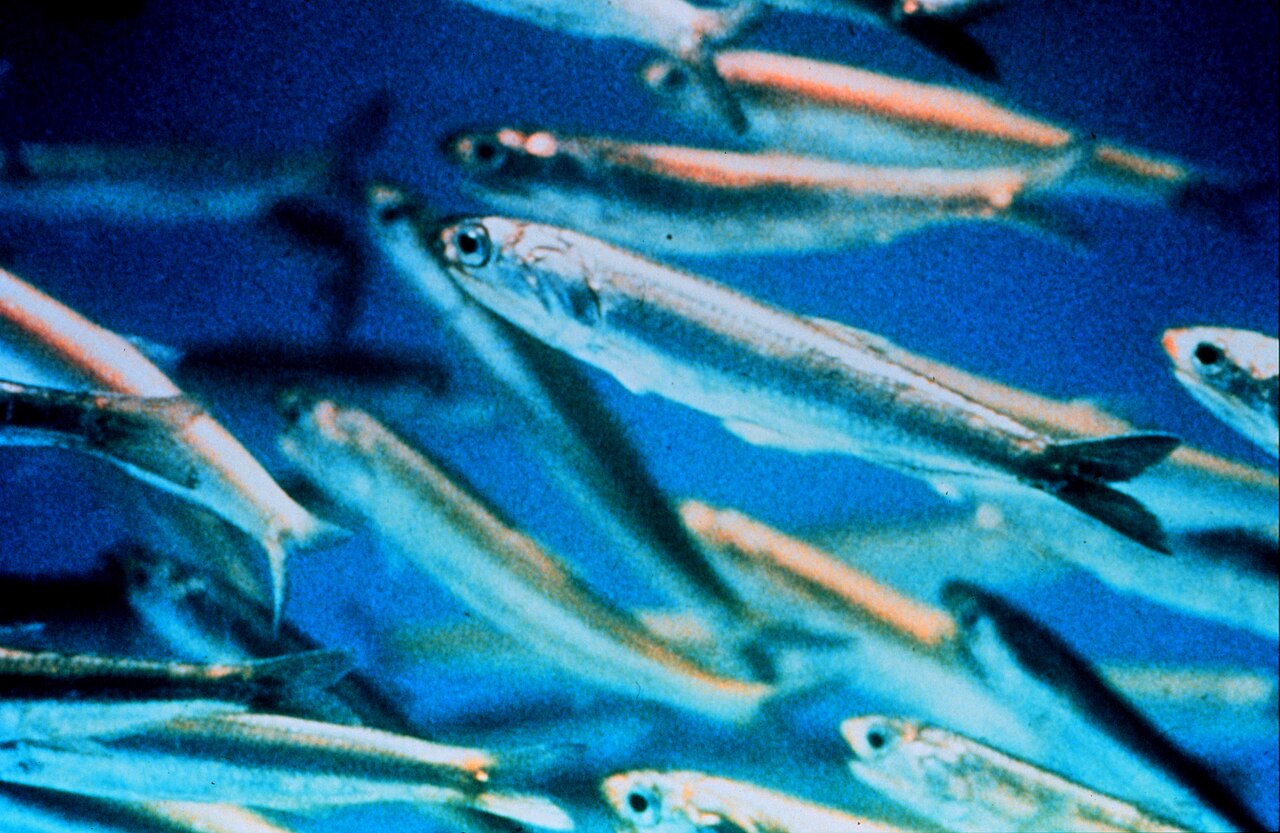
Anchovies are small, common forage fish of the family Engraulidae, with most species found in marine waters. However, several species will enter brackish water, and some in South America are restricted to fresh water. Anchovies are a crucial part of the marine food chain, serving as a food source for many larger fish, such as tuna and swordfish. They are also an important component of the biodiversity of marine ecosystems. The vibe score of anchovies is relatively high, with a score of 80, indicating their significant cultural and culinary impact. To learn more about the ecosystem of anchovies, visit the marine ecology page.
🌊 Habitat and Distribution
The habitat and distribution of anchovies vary depending on the species. Some species, such as the European anchovy, are found in the Mediterranean Sea and the Atlantic Ocean. Others, such as the Peruvian anchovy, are found in the Pacific Ocean off the coast of South America. Anchovies are often found in large schools, which can be an important factor in their ecology and conservation. For more information on the species of anchovies, visit the taxonomy page. The perspective breakdown of anchovies is divided into optimistic, neutral, and pessimistic views, with the majority of people holding a neutral perspective.
🎣 Fishing and Harvesting
Anchovies are an important food source for many people around the world. They are often caught using fishing nets or fishing lines, and are usually processed and sold as canned fish or salted fish. The fishing industry is a significant sector of the global economy, with many countries relying on fishing as a major source of income. To learn more about the fishing practices used to catch anchovies, visit the sustainable fishing page. The influence flows of anchovies can be seen in the way they are used in various cuisine around the world.
🍽 Culinary Uses and Recipes
Anchovies are a versatile ingredient and are used in many different cuisine around the world. They are often used as a condiment or added to salad and pasta dishes. Anchovies are also a key ingredient in many traditional dishes, such as pizza and Caesar salad. For more information on the recipes that use anchovies, visit the cooking page. The topic intelligence of anchovies includes key ideas such as their nutritional value and cultural significance. The entity relationships of anchovies can be seen in their connection to other seafood and food products.
🤝 Cultural Significance and Tradition
Anchovies have a rich cultural significance and are an important part of many traditional cuisines. In some countries, such as Italy and Spain, anchovies are a staple ingredient and are often used in traditional dishes. Anchovies are also a popular ingredient in many Asian cuisine, such as Korean cuisine and Japanese cuisine. To learn more about the tradition of using anchovies in different cultures, visit the food culture page. The controversy spectrum of anchovies is relatively low, with most people holding a neutral or positive view of them.
🌮 Nutrition and Health Benefits
Anchovies are a nutritious food and are rich in protein, omega-3 fatty acids, and minerals. They are also low in calories and fat, making them a popular ingredient in many healthy diets. However, anchovies are also high in sodium and can be a concern for people with high blood pressure. For more information on the nutrition of anchovies, visit the nutrition facts page. The key people involved in the anchovy industry include fishermen, chefs, and food scientists.
🌎 Environmental Impact and Conservation
The environmental impact of anchovy fishing is a concern for many people. Anchovy fishing can have a significant impact on the marine ecosystem, particularly if fishing practices are not sustainable. However, many countries are now implementing sustainable fishing practices to reduce the impact of anchovy fishing on the environment. To learn more about the conservation efforts being made to protect anchovy populations, visit the marine conservation page. The key events in the history of anchovy fishing include the development of new fishing technologies and the implementation of fishing regulations.
📊 Economic Importance and Trade
Anchovies are an important part of the global food industry and are a significant source of income for many countries. The trade of anchovies is a major sector of the global economy, with many countries relying on anchovy exports as a major source of revenue. However, the anchovy industry is also subject to many challenges, such as overfishing and climate change. For more information on the economy of the anchovy industry, visit the market trends page. The social links of anchovies can be seen in their connection to other food products and industries.
👀 Controversy and Debate
Anchovies are a divisive ingredient, with some people loving them and others hating them. The controversy surrounding anchovies is often due to their strong flavor and smell. However, many people also appreciate the unique flavor and texture that anchovies add to dishes. To learn more about the debate surrounding anchovies, visit the food controversy page. The future of anchovies is uncertain, with many challenges facing the industry, including sustainability and regulation.
🌟 Future of Anchovies and Sustainability
The future of anchovies is uncertain, with many challenges facing the industry. However, many people are working to promote sustainable fishing practices and reduce the environmental impact of anchovy fishing. To learn more about the sustainability of the anchovy industry, visit the sustainable fishing page. The influence of anchovies can be seen in their connection to other food products and industries, such as the seafood industry.
📚 Conclusion and Further Reading
In conclusion, anchovies are a complex and multifaceted ingredient with a rich cultural and culinary history. They are a nutritious food and are rich in protein, omega-3 fatty acids, and minerals. However, the anchovy industry is also subject to many challenges, such as overfishing and climate change. To learn more about anchovies and their role in the global food industry, visit the food industry page. The related topics of anchovies include seafood, sustainable fishing, and food culture.
Key Facts
- Year
- 2023
- Origin
- Mediterranean Region
- Category
- Food
- Type
- Food Ingredient
Frequently Asked Questions
What are anchovies?
Anchovies are small, common forage fish of the family Engraulidae. They are a crucial part of the marine food chain and are used as a food source for many larger fish. Anchovies are also a popular ingredient in many cuisines around the world, particularly in Mediterranean and Asian cuisine. For more information on the types of anchovies, visit the taxonomy page.
Where are anchovies found?
Anchovies are found in marine waters, brackish water, and fresh water. They are a widespread species and can be found in many parts of the world, including the Mediterranean Sea, the Atlantic Ocean, and the Pacific Ocean. To learn more about the habitat of anchovies, visit the marine ecology page.
What are the health benefits of anchovies?
Anchovies are a nutritious food and are rich in protein, omega-3 fatty acids, and minerals. They are also low in calories and fat, making them a popular ingredient in many healthy diets. However, anchovies are also high in sodium and can be a concern for people with high blood pressure. For more information on the nutrition of anchovies, visit the nutrition facts page.
Are anchovies sustainable?
The sustainability of anchovies is a concern for many people. Anchovy fishing can have a significant impact on the marine ecosystem, particularly if fishing practices are not sustainable. However, many countries are now implementing sustainable fishing practices to reduce the impact of anchovy fishing on the environment. To learn more about the sustainable fishing practices used in the anchovy industry, visit the sustainable fishing page.
What is the future of anchovies?
The future of anchovies is uncertain, with many challenges facing the industry. However, many people are working to promote sustainable fishing practices and reduce the environmental impact of anchovy fishing. To learn more about the sustainability of the anchovy industry, visit the sustainable fishing page.
How are anchovies used in cooking?
Anchovies are a versatile ingredient and are used in many different cuisines around the world. They are often used as a condiment or added to salad and pasta dishes. Anchovies are also a key ingredient in many traditional dishes, such as pizza and Caesar salad. For more information on the recipes that use anchovies, visit the cooking page.
What are the cultural significance of anchovies?
Anchovies have a rich cultural significance and are an important part of many traditional cuisines. In some countries, such as Italy and Spain, anchovies are a staple ingredient and are often used in traditional dishes. Anchovies are also a popular ingredient in many Asian cuisines, such as Korean and Japanese cuisine. To learn more about the tradition of using anchovies in different cultures, visit the food culture page.