
Contents
Overview
Oceanology, the study of the Earth's oceans, has become a critical field of research in recent years, with scientists like Dr. Sylvia Earle and Dr. Robert Ballard leading the charge. The world's oceans cover over 70% of the planet, yet only about 5% of the seafloor has been explored, leaving a vast amount of uncharted territory. According to the National Oceanic and Atmospheric Administration (NOAA), the oceans are home to over 200,000 identified species, but it's estimated that up to 75% of all marine species remain undiscovered. The ocean's influence on the climate, with a vibe score of 80, is a highly debated topic, with some arguing that it plays a crucial role in regulating the Earth's temperature, while others claim that its impact is overstated. As the world grapples with the challenges of climate change, ocean acidification, and overfishing, the importance of oceanology in understanding these issues and developing solutions cannot be overstated. With the help of advanced technologies like autonomous underwater vehicles (AUVs) and remote-operated vehicles (ROVs), scientists are now able to explore the oceans in greater detail than ever before, shedding new light on the complex relationships between the oceans, the atmosphere, and the planet as a whole.
🌊 Introduction to Oceanology
Oceanology, also known as oceanography, is the scientific study of the ocean, encompassing its physics, biology, geology, and chemistry. This multidisciplinary field aims to understand the complex interactions within the ocean and its impact on the Earth's ecosystem. The study of oceanology is crucial for understanding climate change, ocean acidification, and the biodiversity of marine life. As we continue to explore the ocean, we are discovering new species, ecosystems, and phenomena that are redefining our understanding of the ocean. For instance, the discovery of hydrothermal vents has revealed unique ecosystems that thrive in extreme conditions. Furthermore, the study of ocean currents has helped us understand the global circulation of heat and nutrients.
🌴 The Multidisciplinary Nature of Oceanology
The multidisciplinary nature of oceanology is reflected in its various subfields, including physical oceanography, chemical oceanography, biological oceanography, and geological oceanography. Each of these subfields contributes to our understanding of the ocean and its role in the Earth's system. For example, physical oceanography helps us understand the movement of ocean currents and the formation of ocean waves. In contrast, biological oceanography focuses on the diverse range of marine life, from phytoplankton to blue whales. The integration of these subfields is essential for addressing the complex challenges facing the ocean, such as overfishing and pollution.
🌊 Physics of the Ocean
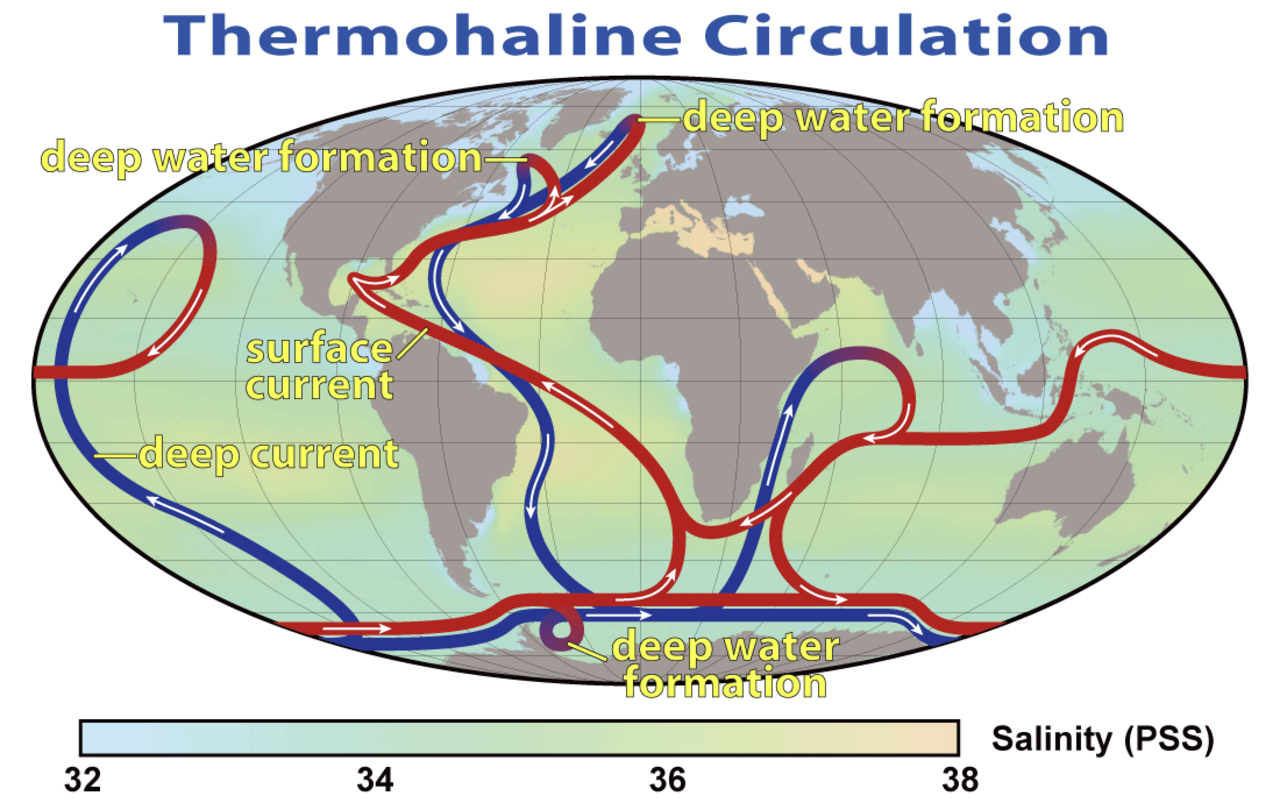
The physics of the ocean is a critical component of oceanology, as it helps us understand the movement of ocean currents, the formation of ocean waves, and the tides. The study of ocean physics also involves the investigation of ocean temperature and salinity, which are essential for understanding the global ocean circulation. Furthermore, the physics of the ocean is closely linked to the study of climate change, as changes in ocean circulation and temperature can have significant impacts on global weather patterns. For instance, the thermohaline circulation plays a crucial role in regulating global climate patterns. Additionally, the study of ocean-atmosphere interactions helps us understand the complex relationships between the ocean and the atmosphere.
🧬 Biology of the Ocean
The biology of the ocean is a vast and diverse field, encompassing the study of marine ecosystems, marine biodiversity, and the ecology of marine organisms. From the tiny phytoplankton to the massive blue whales, the ocean is home to a staggering array of marine life. The study of ocean biology also involves the investigation of coral reefs, kelp forests, and other unique ecosystems that support a wide range of marine life. Moreover, the study of marine conservation is essential for protecting these ecosystems and preserving the biodiversity of the ocean. For example, the establishment of marine protected areas has helped to conserve marine ecosystems and promote sustainable fishing practices.
🌎 Geology of the Ocean
The geology of the ocean is a fascinating field that involves the study of the oceanic crust, sea floor spreading, and the formation of oceanic ridges. The ocean floor is a dynamic and constantly changing environment, with plate tectonics playing a major role in shaping the ocean's geology. The study of ocean geology also involves the investigation of hydrothermal vents, oceanic trenches, and other unique geological features that support a wide range of marine life. Furthermore, the study of ocean geology helps us understand the Earth's history, including the formation of the ocean and the evolution of life on Earth. For instance, the study of fossil record has revealed the history of life on Earth and the impact of geological events on the evolution of marine ecosystems.
📊 Chemistry of the Ocean
The chemistry of the ocean is a critical component of oceanology, as it helps us understand the complex interactions between the ocean and the atmosphere. The study of ocean chemistry involves the investigation of ocean acidification, nutrient cycles, and the carbon cycle. The ocean plays a vital role in regulating the Earth's climate, and changes in ocean chemistry can have significant impacts on global weather patterns. For example, the absorption of carbon dioxide by the ocean helps to mitigate the effects of climate change. Moreover, the study of ocean chemistry is essential for understanding the impacts of pollution on marine ecosystems and the biodiversity of the ocean.
🚣♀️ Exploring the Ocean
Exploring the ocean is a challenging and complex task, requiring the use of advanced technologies such as remote-operated vehicles and autonomous underwater vehicles. These technologies enable scientists to study the ocean in unprecedented detail, from the surface to the deepest depths. The exploration of the ocean also involves the use of oceanographic research vessels, which provide a platform for scientists to conduct research and collect data. Furthermore, the development of new technologies, such as artificial intelligence and machine learning, is revolutionizing the field of oceanology and enabling scientists to analyze large datasets and identify patterns that were previously unknown. For instance, the use of satellite imagery has helped to monitor ocean currents and track changes in ocean temperature.
🌟 The Future of Oceanology
The future of oceanology is exciting and rapidly evolving, with new technologies and discoveries being made regularly. The study of oceanology is critical for understanding the impacts of climate change and developing strategies for mitigating its effects. Furthermore, the ocean has the potential to provide a wide range of benefits, from renewable energy to sustainable fishing practices. As we continue to explore and understand the ocean, we are likely to discover new species, ecosystems, and phenomena that will challenge our current understanding of the ocean and its role in the Earth's system. For example, the development of offshore wind farms has the potential to provide a significant source of renewable energy. Additionally, the study of ocean energy is essential for understanding the potential of the ocean to provide a sustainable source of energy.
🌎 Conservation Efforts
Conservation efforts are essential for protecting the ocean and its inhabitants. The ocean is facing a wide range of threats, from overfishing and pollution to climate change and habitat destruction. The establishment of marine protected areas and the implementation of sustainable fishing practices are critical for conserving marine ecosystems and preserving the biodiversity of the ocean. Moreover, the study of ocean conservation is essential for understanding the impacts of human activities on the ocean and developing strategies for mitigating these impacts. For instance, the implementation of catch shares has helped to reduce overfishing and promote sustainable fishing practices.
📚 Conclusion
In conclusion, oceanology is a vast and complex field that encompasses the study of the ocean's physics, biology, geology, and chemistry. The ocean is a critical component of the Earth's system, and its study is essential for understanding the impacts of climate change and developing strategies for mitigating its effects. As we continue to explore and understand the ocean, we are likely to discover new species, ecosystems, and phenomena that will challenge our current understanding of the ocean and its role in the Earth's system. Furthermore, the study of oceanology is essential for promoting sustainable development and ensuring the long-term health of the ocean and its inhabitants.
Key Facts
- Year
- 2022
- Origin
- Ancient Greece, with contributions from scientists like Aristotle and Eratosthenes
- Category
- Environmental Science
- Type
- Scientific Field
Frequently Asked Questions
What is oceanology?
Oceanology, also known as oceanography, is the scientific study of the ocean, encompassing its physics, biology, geology, and chemistry. This multidisciplinary field aims to understand the complex interactions within the ocean and its impact on the Earth's ecosystem. The study of oceanology is crucial for understanding climate change, ocean acidification, and the biodiversity of marine life.
Why is the study of oceanology important?
The study of oceanology is important because it helps us understand the complex interactions within the ocean and its impact on the Earth's ecosystem. The ocean plays a critical role in regulating the Earth's climate, and changes in ocean circulation and temperature can have significant impacts on global weather patterns. Furthermore, the ocean is a vital source of food, energy, and other resources, and its conservation is essential for promoting sustainable development.
What are some of the challenges facing the ocean?
The ocean is facing a wide range of challenges, including overfishing, pollution, climate change, and habitat destruction. These challenges can have significant impacts on marine ecosystems and the biodiversity of the ocean, and it is essential to develop strategies for mitigating their effects. The establishment of marine protected areas and the implementation of sustainable fishing practices are critical for conserving marine ecosystems and preserving the biodiversity of the ocean.
How can we promote the conservation of the ocean?
Promoting the conservation of the ocean requires a multidisciplinary approach that involves the study of oceanology, the development of sustainable fishing practices, and the establishment of marine protected areas. It is also essential to raise awareness about the importance of ocean conservation and the impacts of human activities on the ocean. Furthermore, the development of new technologies and policies can help to mitigate the effects of climate change and promote sustainable development.
What is the future of oceanology?
The future of oceanology is exciting and rapidly evolving, with new technologies and discoveries being made regularly. The study of oceanology is critical for understanding the impacts of climate change and developing strategies for mitigating its effects. Furthermore, the ocean has the potential to provide a wide range of benefits, from renewable energy to sustainable fishing practices. As we continue to explore and understand the ocean, we are likely to discover new species, ecosystems, and phenomena that will challenge our current understanding of the ocean and its role in the Earth's system.
How can we balance the need for ocean conservation with the need for economic development?
Balancing the need for ocean conservation with the need for economic development requires a careful and nuanced approach. It is essential to develop sustainable fishing practices and establish marine protected areas to conserve marine ecosystems and preserve the biodiversity of the ocean. At the same time, it is necessary to promote economic development that is compatible with ocean conservation, such as the development of renewable energy and sustainable tourism. Furthermore, the development of new technologies and policies can help to mitigate the effects of climate change and promote sustainable development.
What role can individuals play in promoting ocean conservation?
Individuals can play a critical role in promoting ocean conservation by making conscious choices about their daily activities and supporting organizations that work to protect the ocean. For example, individuals can reduce their use of plastic, choose sustainable seafood, and support marine protected areas. Furthermore, individuals can raise awareness about the importance of ocean conservation and the impacts of human activities on the ocean, and can advocate for policies that promote sustainable development and ocean conservation.